
MATTER: Essays on architecture, materials, and the art of seeing the familiar differently.
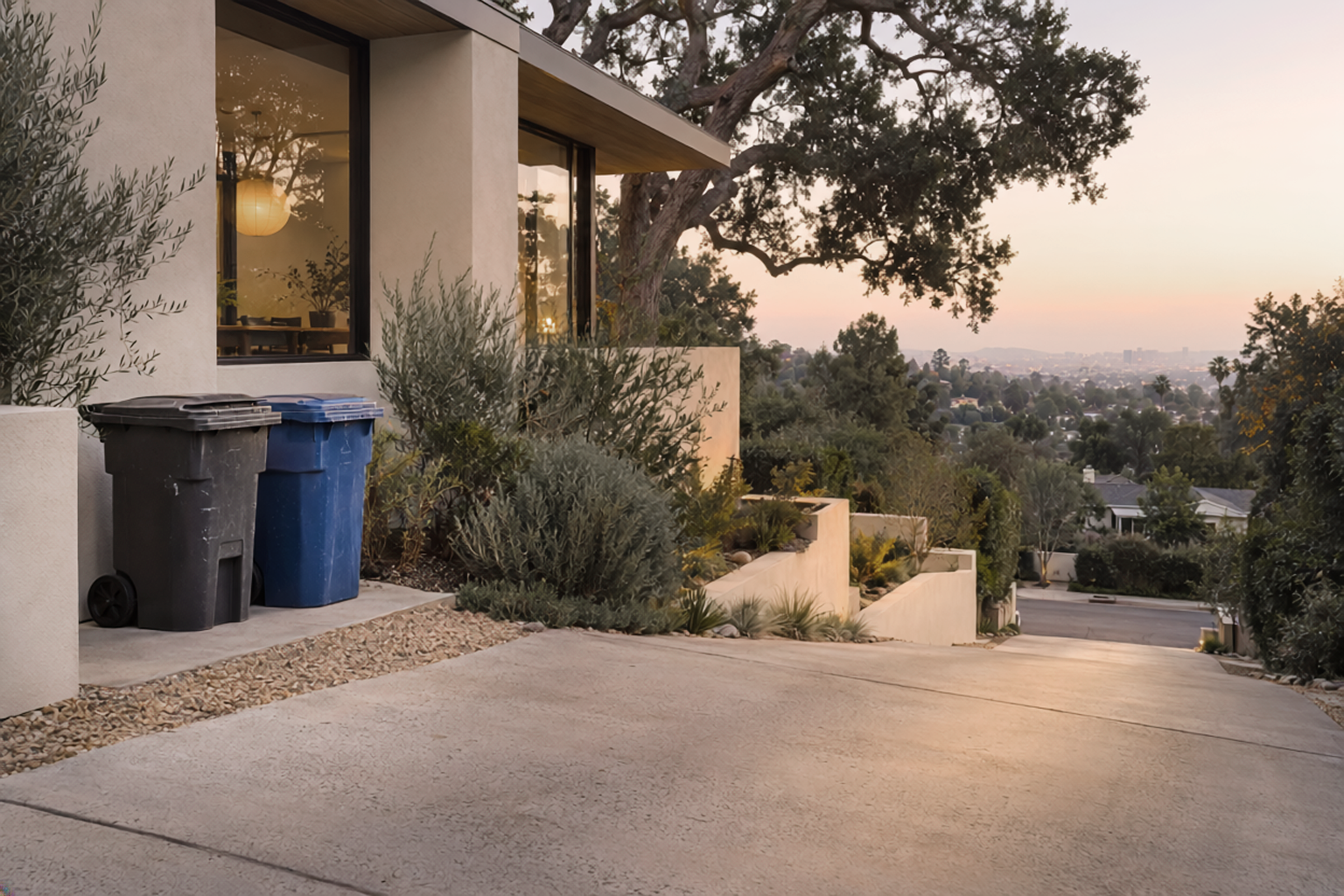
THE GARBAGE TAKEN OUT BY THE ARCHITECTS, EVEN
Architects have put a century of invention into the house-machine. It can wash the dishes, stream a film, and answer when called. Yet its occupant largely remains the caretaker, inventory clerk, and refuse collector. The next architectural revolution might begin with a change of staff: the house gets to take out the trash.
A machine for living in should have less need of us to keep it running.
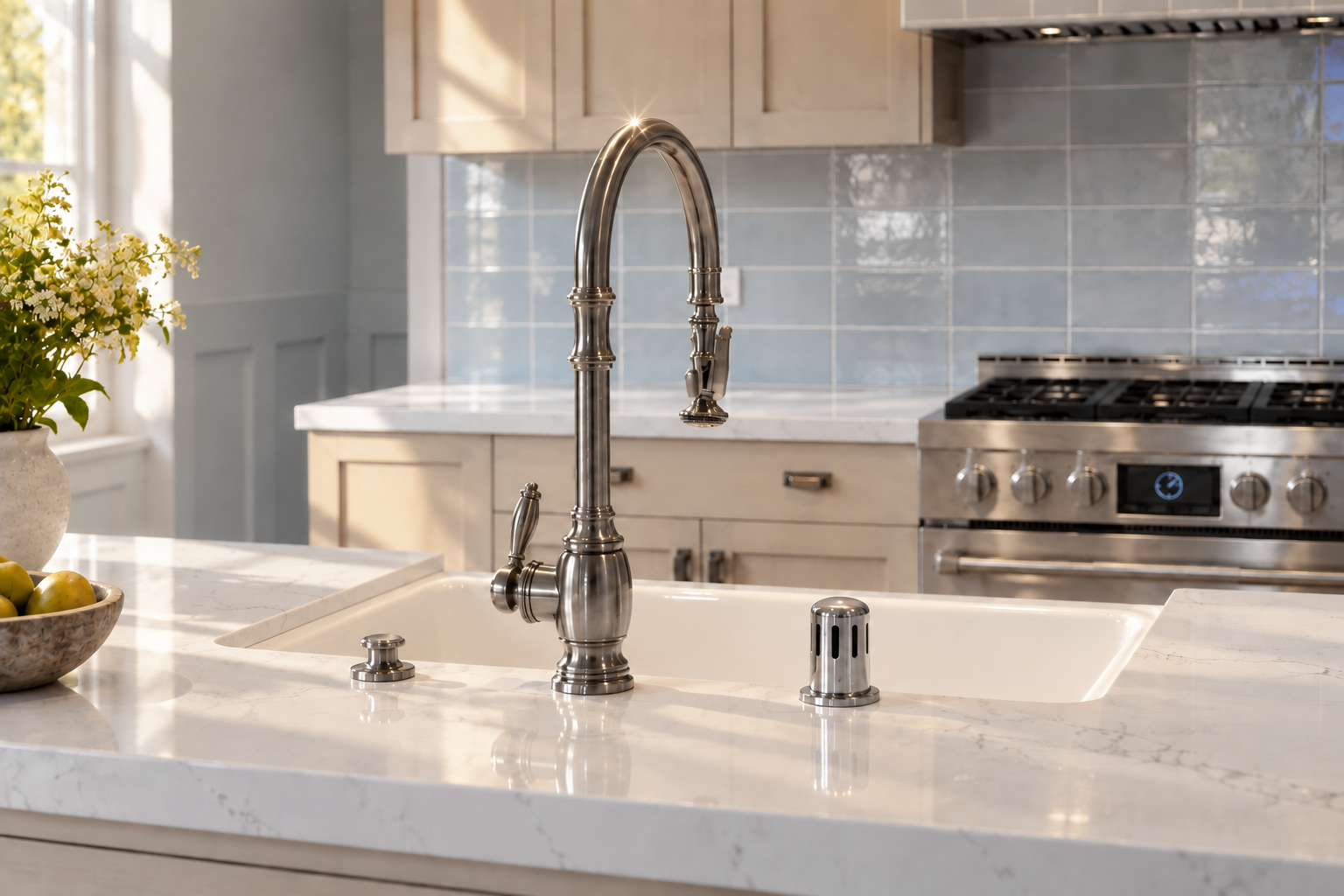
FITTING RESPONSIBILITIES
But why should a useful object be excused from further consideration? The sink around it may have been drawn and redrawn. Someone has labored over the thickness of the counter and the alignment of the cabinetry. Then there is the metal cap, sticking up awkwardly from the sink or countertop. What is that cleaner’s hazard, and why must it look like that?
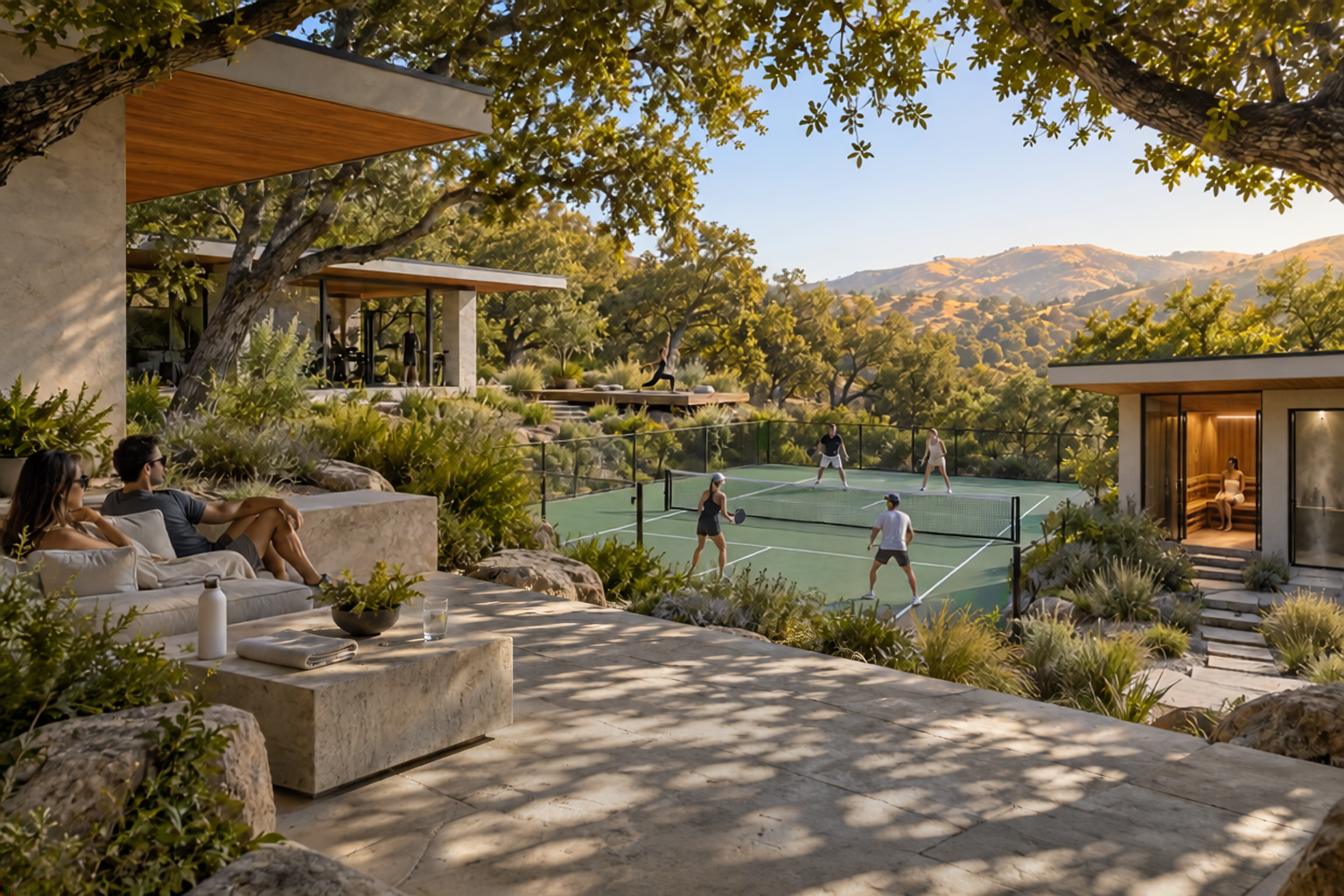
WIMBLEDON WELLNESS
A rally ends in laughter. From the bench comes advice of doubtful value. The next pair rises, and the departing players climb the few steps to the terrace, still reconstructing the point. In the shade, water tastes particularly good.
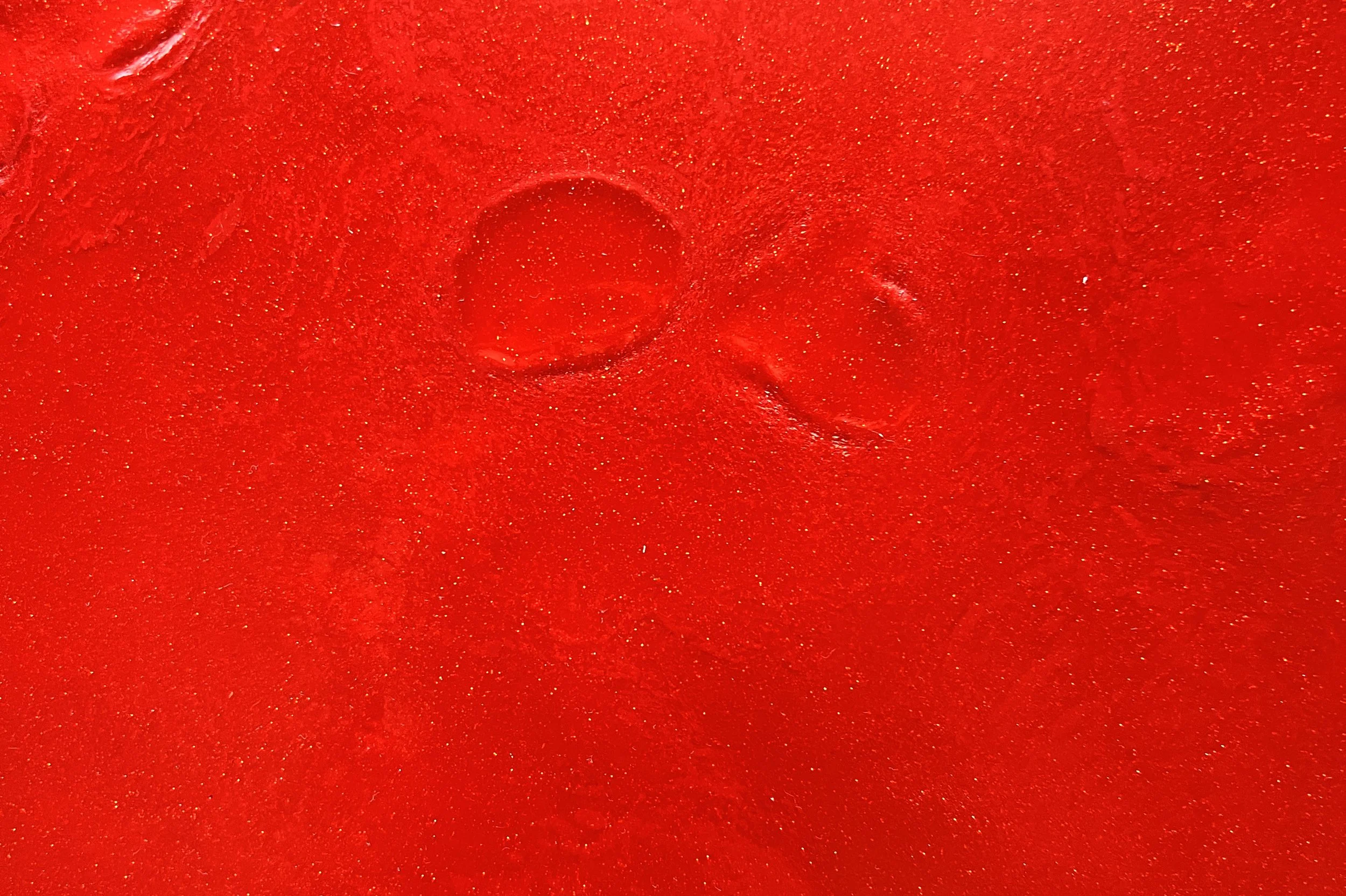
THE SURFACE IS NOT SUPERFICIAL
Luster is not another image laid upon an object. It is the material’s way of handling light. A lustrous surface brightens, recedes, and changes according to the position of the light and of the person standing before it. The object remains still, even though the act of seeing this requires movement.
BEFORE THE DOOR
Many contemporary buildings begin at the front door. But the best buildings begin long before it—and continue long after it.
On a plan, a threshold appears as an invisible line: the boundary between in and out, public and private, one room and the next. In experience, however, it has depth and duration. It is less a mark than a manifestation—a state of heightened awareness between one station and another.
Architecture is the art of choreographing these transitions.
BEYOND REPETITION
What if a surface is never finished?
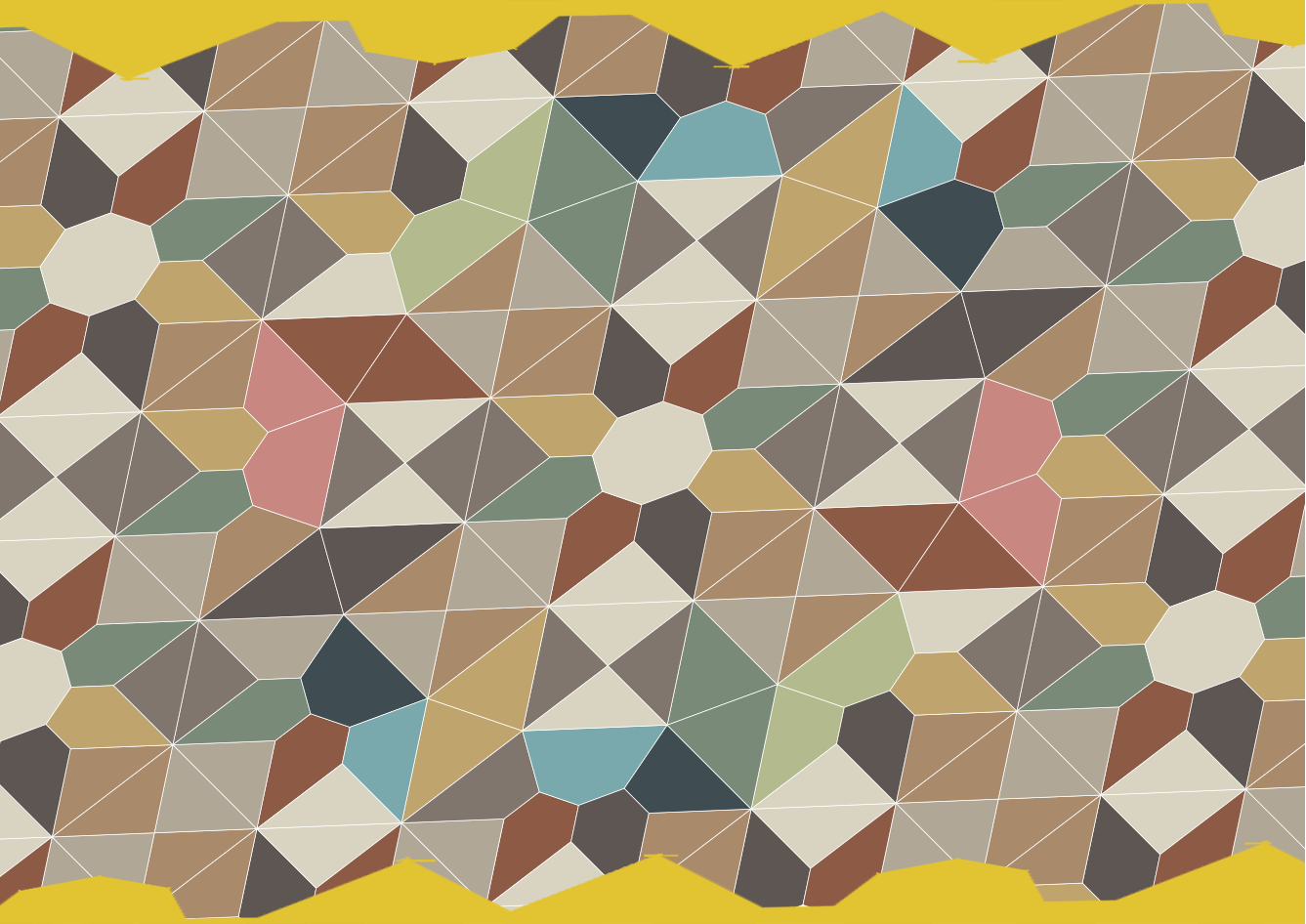
Most tiled surfaces are designed for repetition. A single module is duly repeated until it becomes an established field. Within a few strokes, the eye discovers the underlying rule. The pattern reveals itself, and from that point forward, every tile becomes the confirmation of what we already know.
There is a quiet satisfaction in that order. There is also a limit.
MINERAL PAINTING
Nature's oldest paintings were never painted.
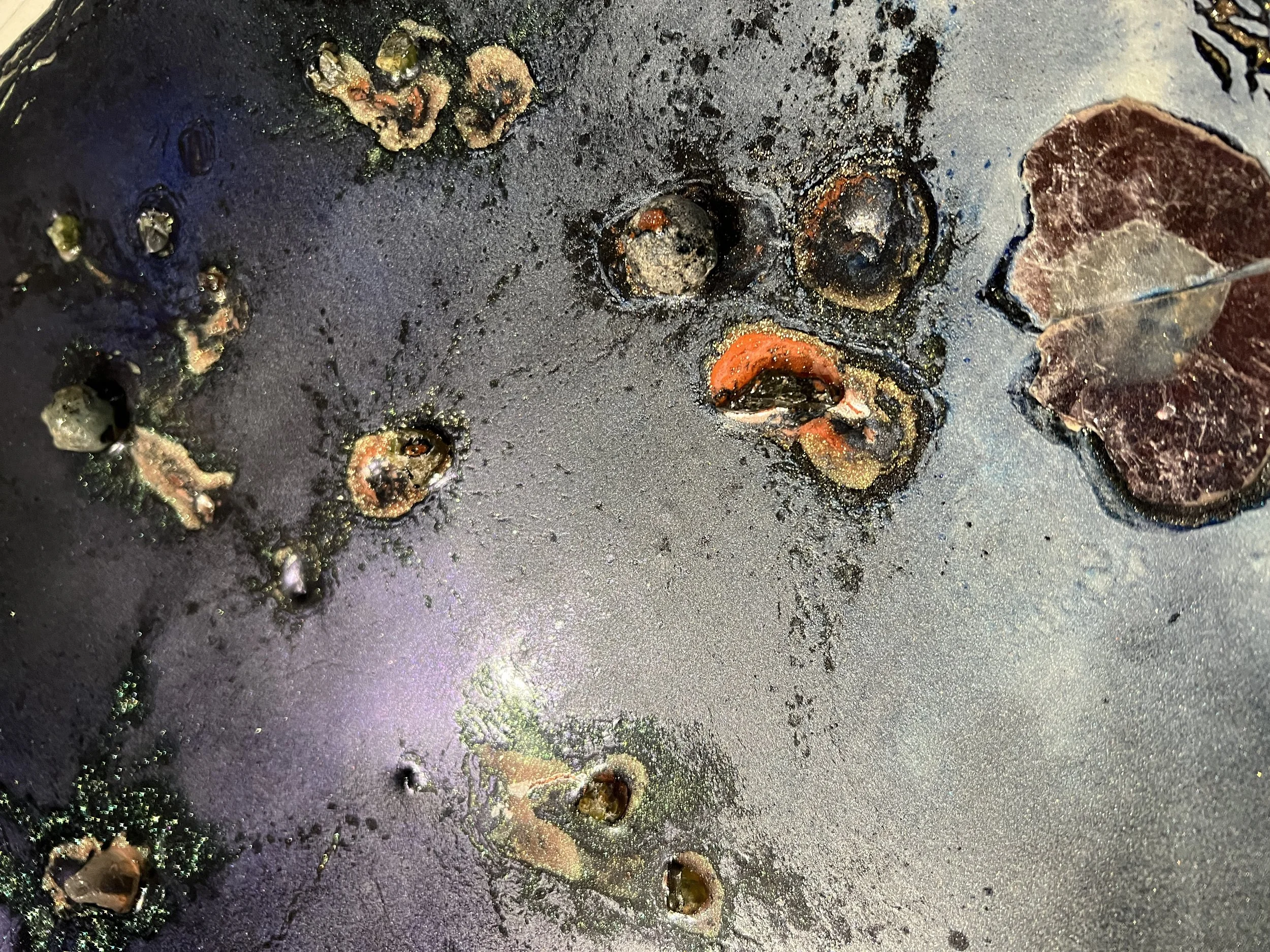
Long before artists ground pigments or stretched canvas, the earth had already begun composing images. Mineral veins wandered through stone. Sediment settled into improbable landscapes. Heat, pressure, gravity, and time produced surfaces so deliberate they seem almost intentional, though no hand arranged them.
Perhaps that is why polished onyx feels so captivating; why an opal appears to change its mind every time it catches the light; why people have collected stones for thousands of years for no other reason than wonder.
STITCHES IN TIME
Architects spend their lives drawing lines. Some never see the light of day. Some become walls. Some become buildings. Some become cities.
But every building begins as a line. Writers begin the same way.
So do weavers.
For centuries, carpets have carried stories. Long before they became objects of decoration, they were objects of memory. Sometimes they record histories, sometimes beliefs, sometimes journeys, and sometimes entire cosmologies woven into pattern.
More interesting, perhaps, is whether a line can tell a story without unraveling a picture?
ELBOW ROOM
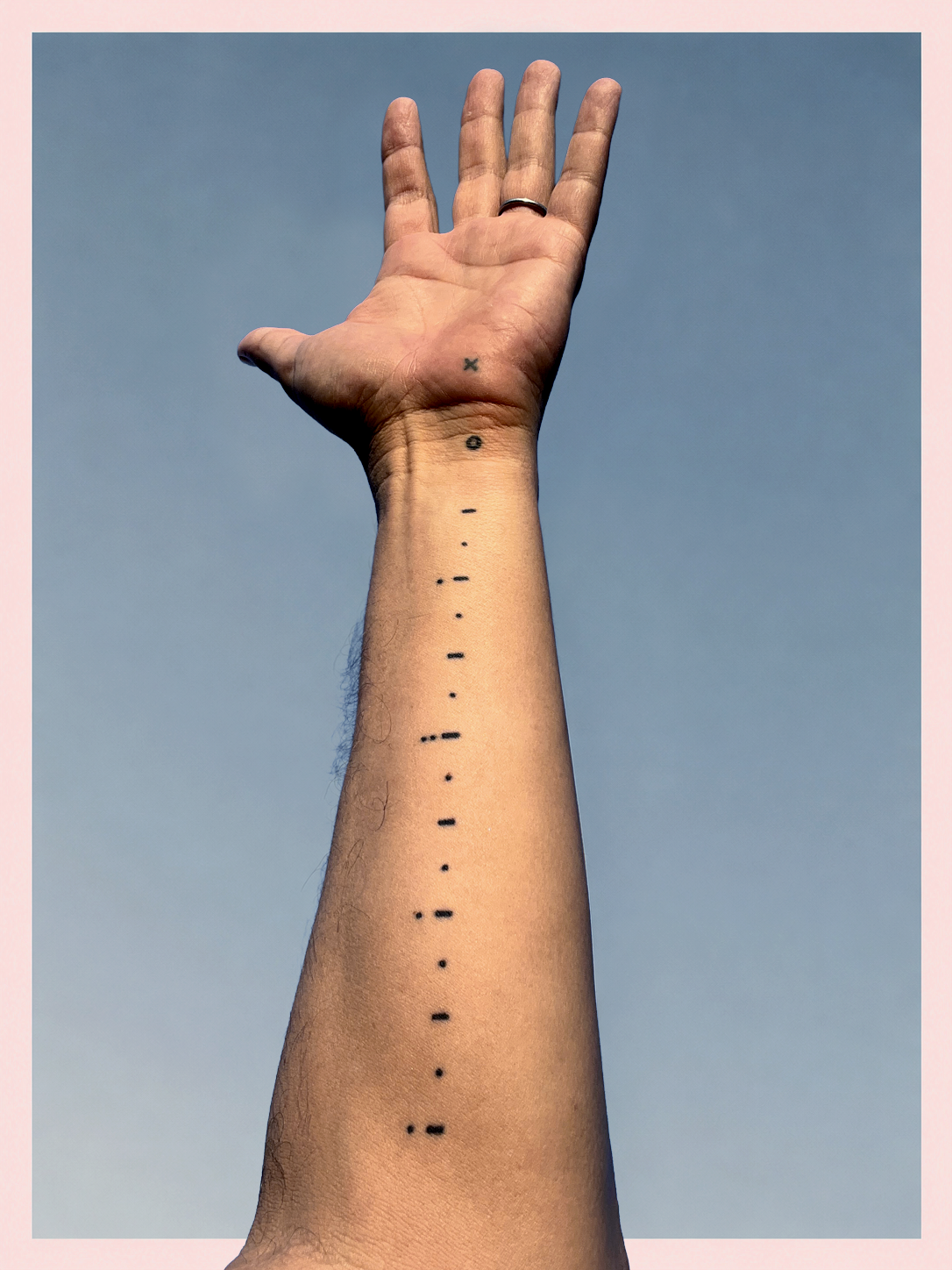
Architects have measured the world with their own bodies for millennia.
Long before straightedge rulers were standardized, there was the cubit, the hand, the foot, the span, and the pace. Entire buildings were proportioned against the body long before they were measured in inches. Although our measuring tools have become remarkably precise, that habit never disappeared. Architects still pace distances, hold up a hand to judge a window, or instinctively know when a room feels too narrow before reaching for a tape measure.
It is worth thinking about the way architects measure things. A tape measure is always more accurate, but there is no point in trying to replace it.
RESIDE, RESTORE, RESORT
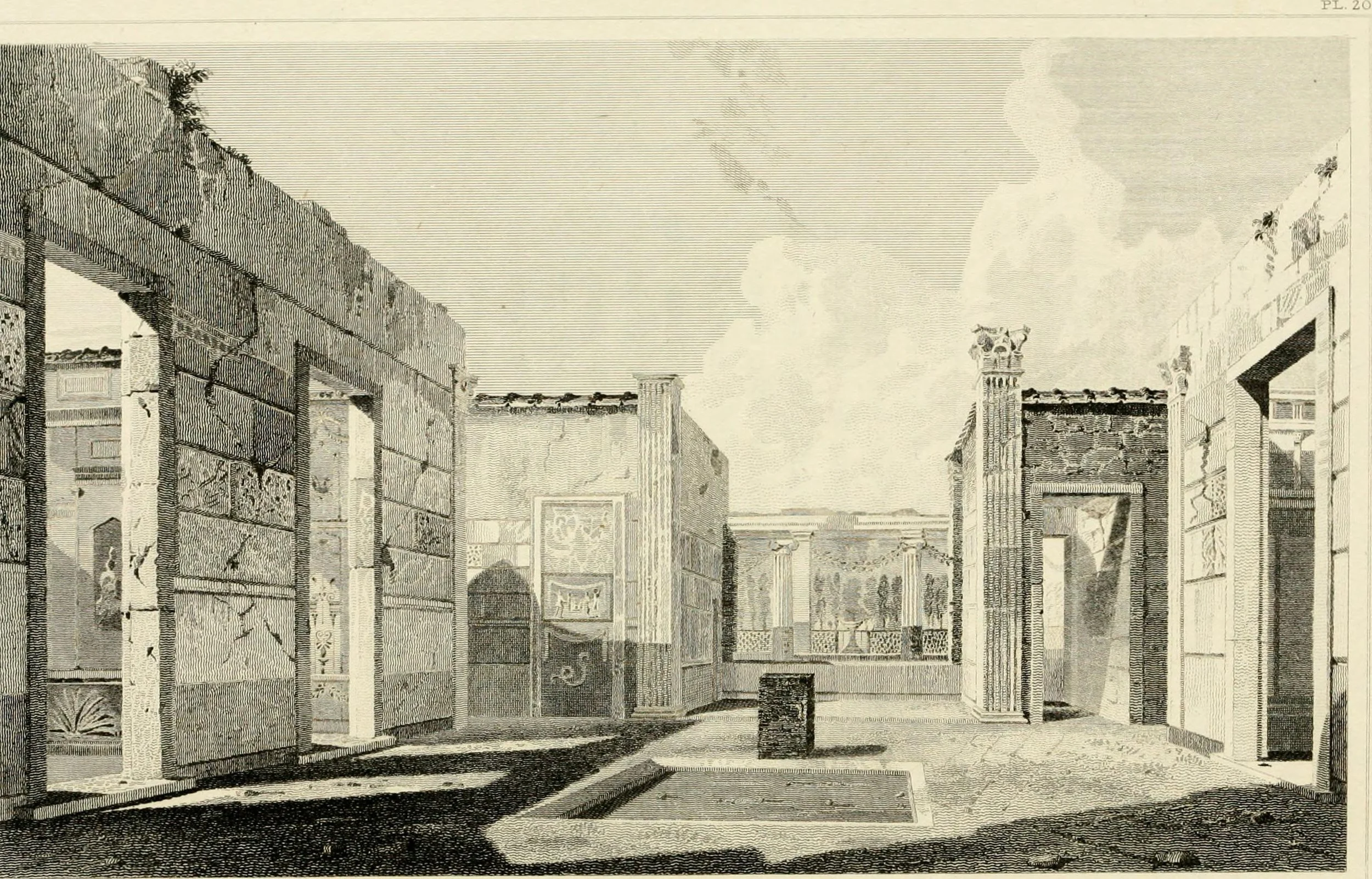
Architects spend a great deal of time developing prototypes for human structures. They create spatial environments from which architectural forms and functions gradually emerge. A church, a courthouse, a warehouse, or a school is recognizable long before one enters it. Architecture communicates the identity of a building through its organization, proportions, and spatial character.
This raises a different architectural question.
What does wellness in architecture look like?
At first glance, the answer appears obvious. Wellness seems to consist of familiar programs: a gym, a sauna, a meditation room, a cold plunge. Yet these are functions placed within architecture. They do not define the architecture itself.
The question is not how to design healthier rooms.
It is how to design a healthier house.
THE DIRT UNDER THE CARPET
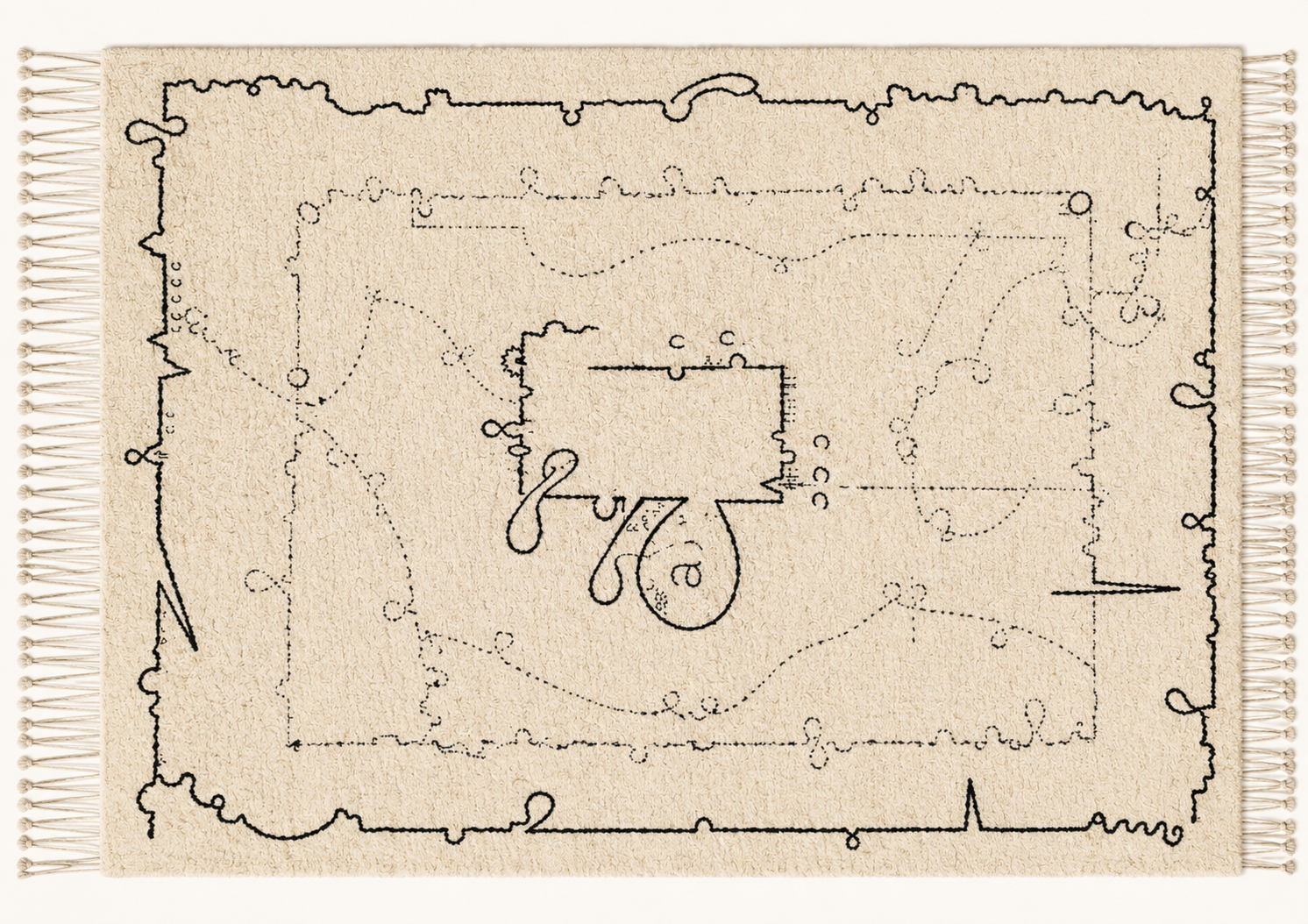
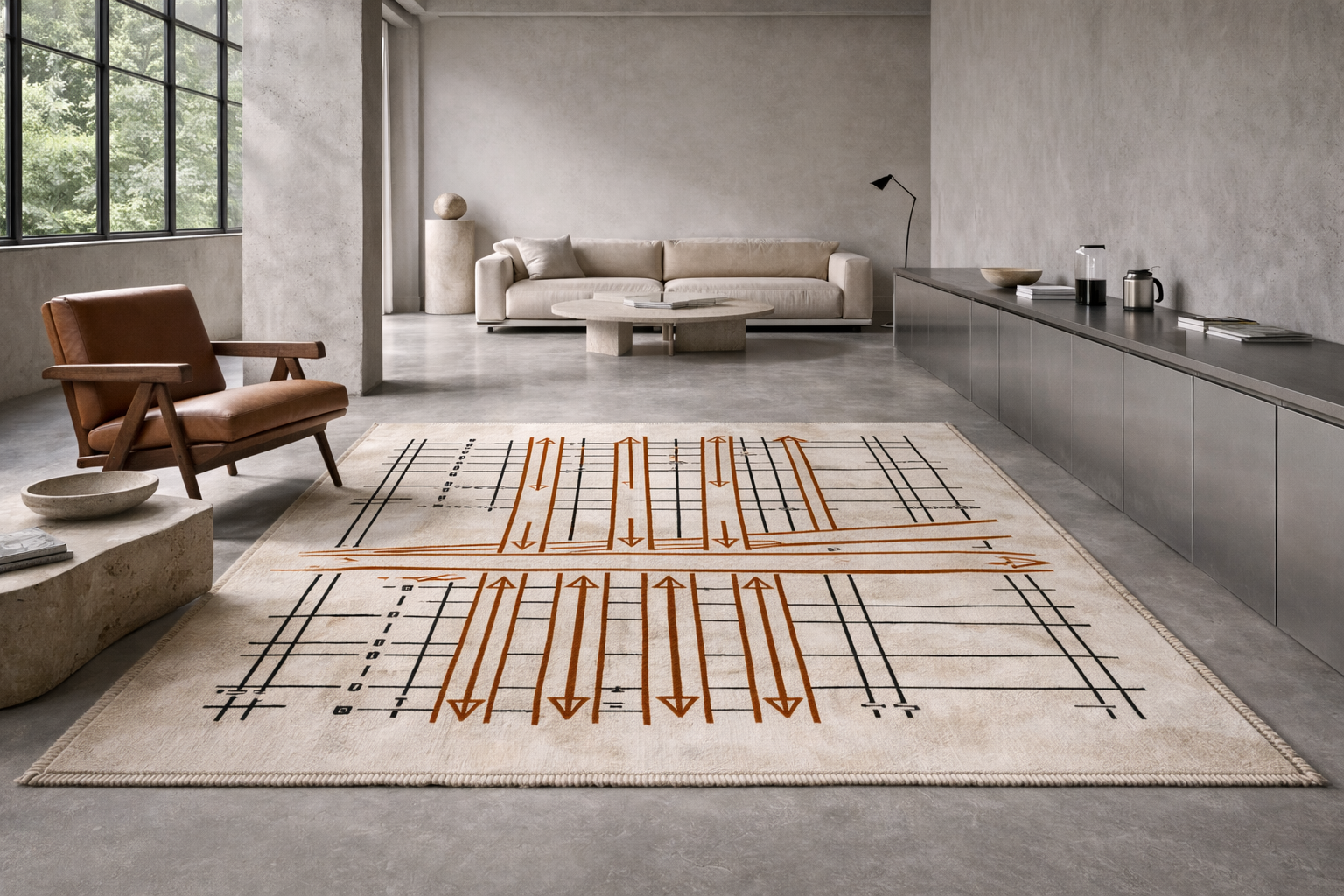
Each rug is derived from construction scans, field markings, X-ray imagery, and the temporary graphics produced during renovation. Rather than inventing abstract compositions, the designs isolate fragments that already exist within the building itself ...
For centuries, carpets have represented gardens, landscapes, ornament, geometry, and the human narrative. Their imagery has traditionally been applied to architecture as decoration.
These rugs attempt something different. They do not depict architecture. They emerge from it.
The rug belongs to architecture, not decoration.
WELLNESS IS NOT A ROOM
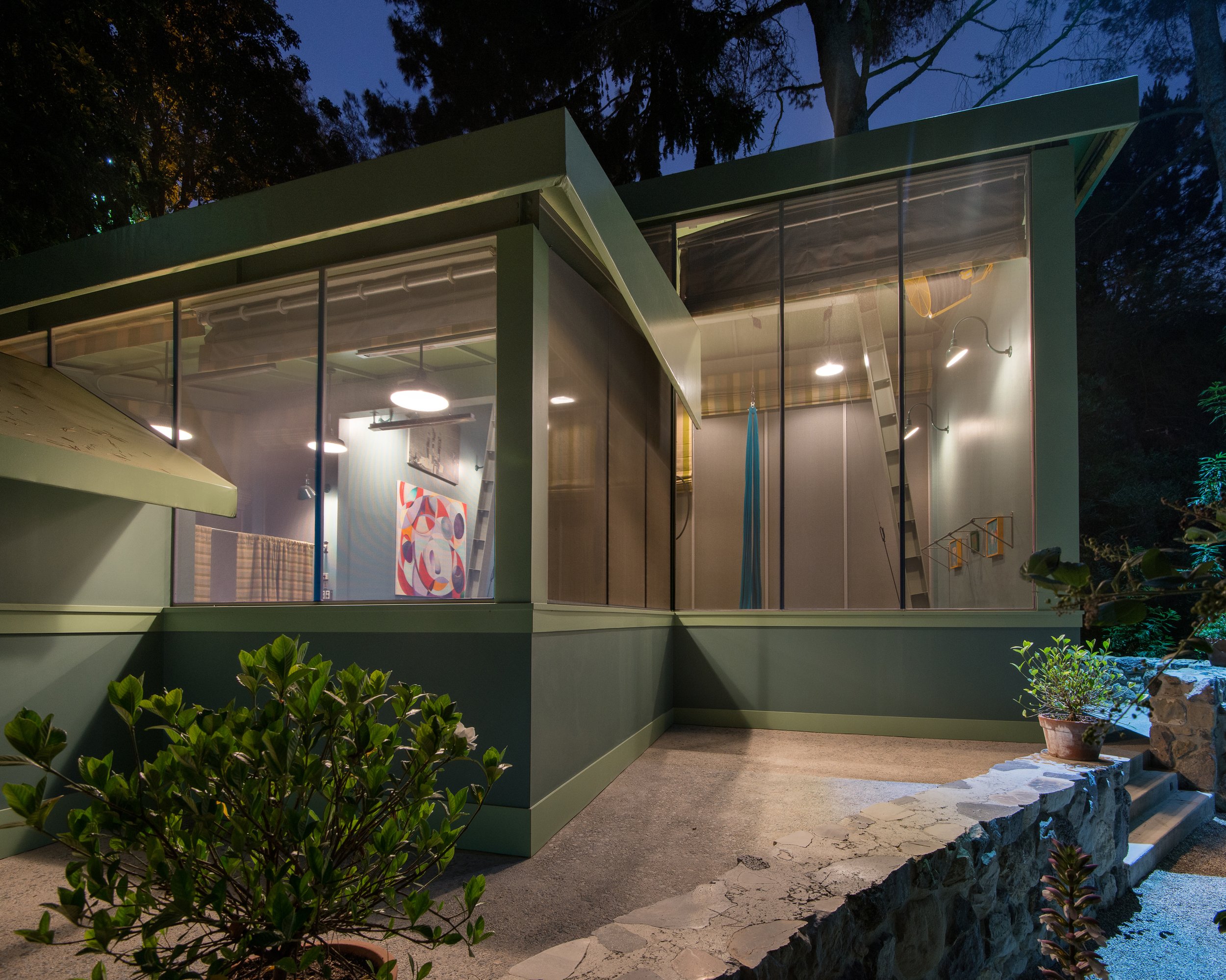
Modern architecture did not begin as a style. It began as a response to the pressures of the environment.
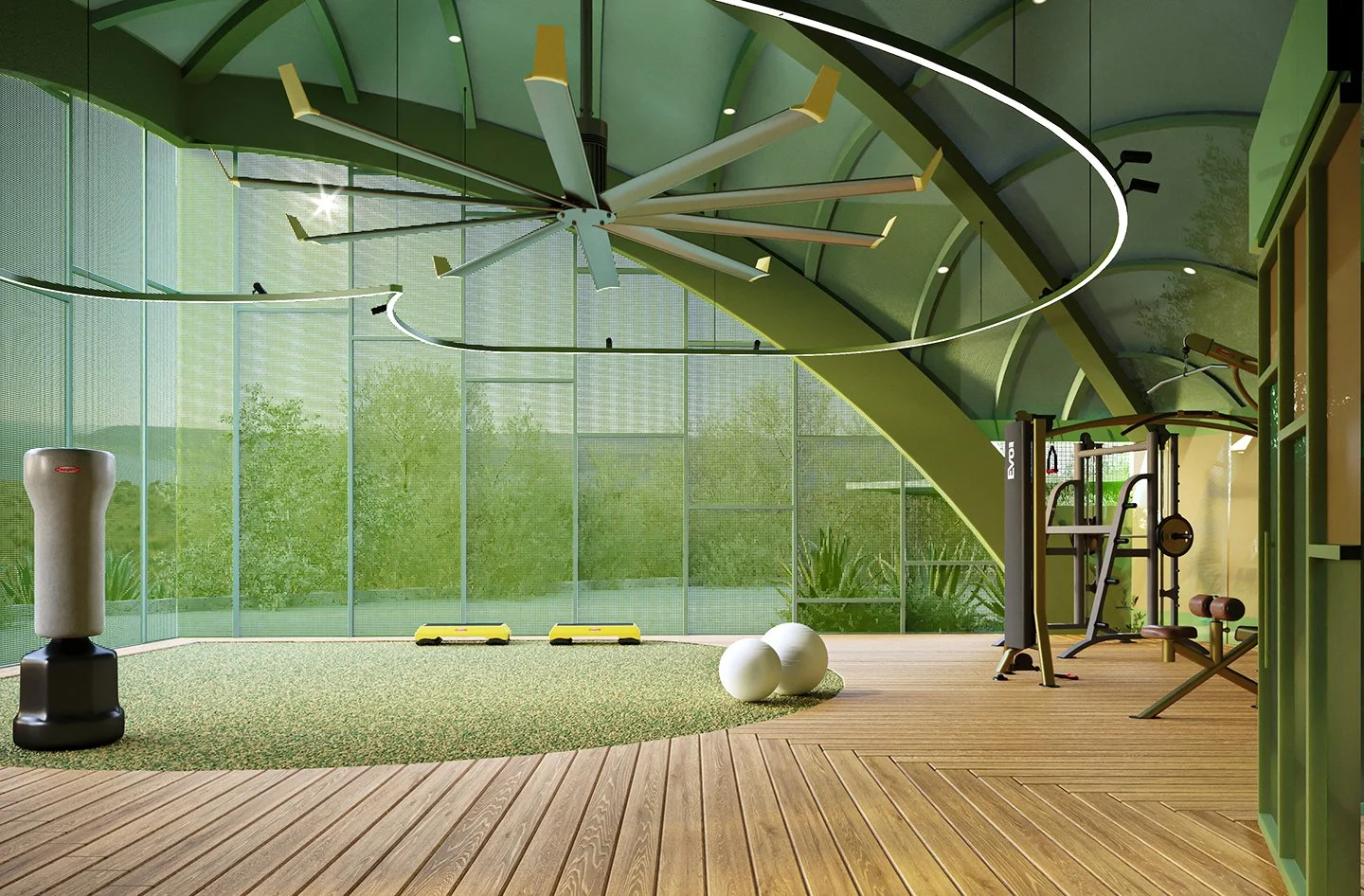
Long before glass towers became symbols of progress, architects were designing against the plague, overcrowding, poor sanitation, and polluted industrial cities. Sunlight, in turn, became medicine. Fresh air a design strategy. Roof terraces, generous glazing, white walls, and the open plans were not simply aesthetic decisions; they were attempts to improve human health.
Architecture, in other words, is well-being.
Over time, the architecture endured while much of its original purpose quietly faded from the record. We observed the form yet gradually lost the reason.
The language survived. The thought did not.
What began as an architecture of respite slowly became an architecture of style.
THE FAMILIAR MADE STRANGE
Where the Mojave Desert is today there once existed an ocean.
Standing in the place today, surrounded by Joshua trees, granite outcroppings, and distant snow-capped mountains, this can be difficult to imagine. Yet the evidence is everywhere. Ancient seabeds, marine fossils, and time-worn geology remain scattered across a landscape now defined by seasonal drought.
THE SUPERSTATE OF GLASS
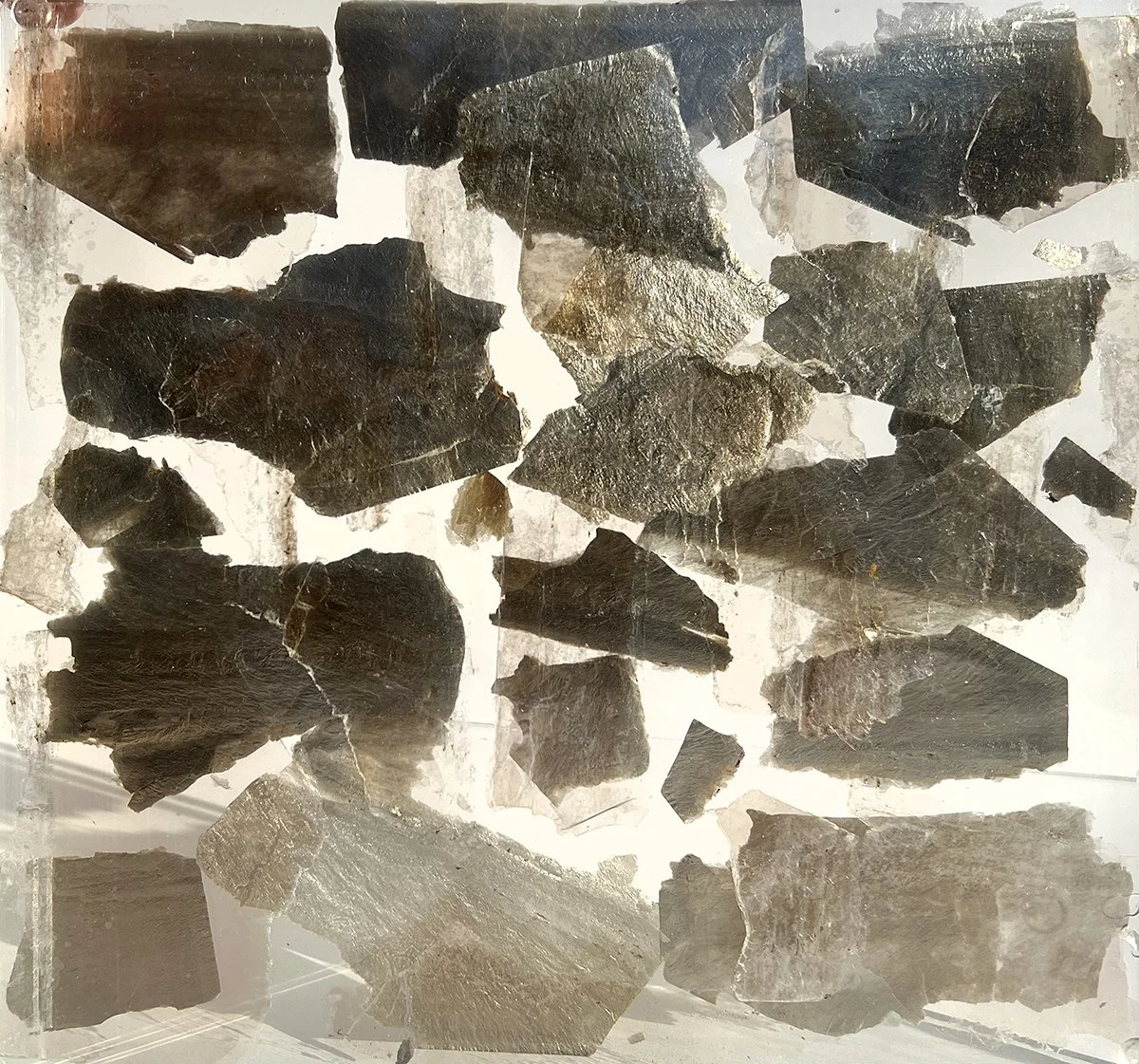
The first thing I ever knew about mica was that it has the capacity to sparkle. Difficult, seeing it rhymes with my name.
So, not in any profound way. Not in a natural way. Certainly not in a way that suggested years of experimentation, patents, factories, or architectural applications. It sparkled, and that was enough.
Small flakes would appear in rocks, embedded in stone, scattered along trails, or suspended in the sand beneath my feet. They caught sunlight and returned it as frozen shafts of radiance. Every child understands this attraction instinctively. We pick up shiny things long before we learn their names.
CASA KAFKA, OR THE OBJECT OF PERCEPTION
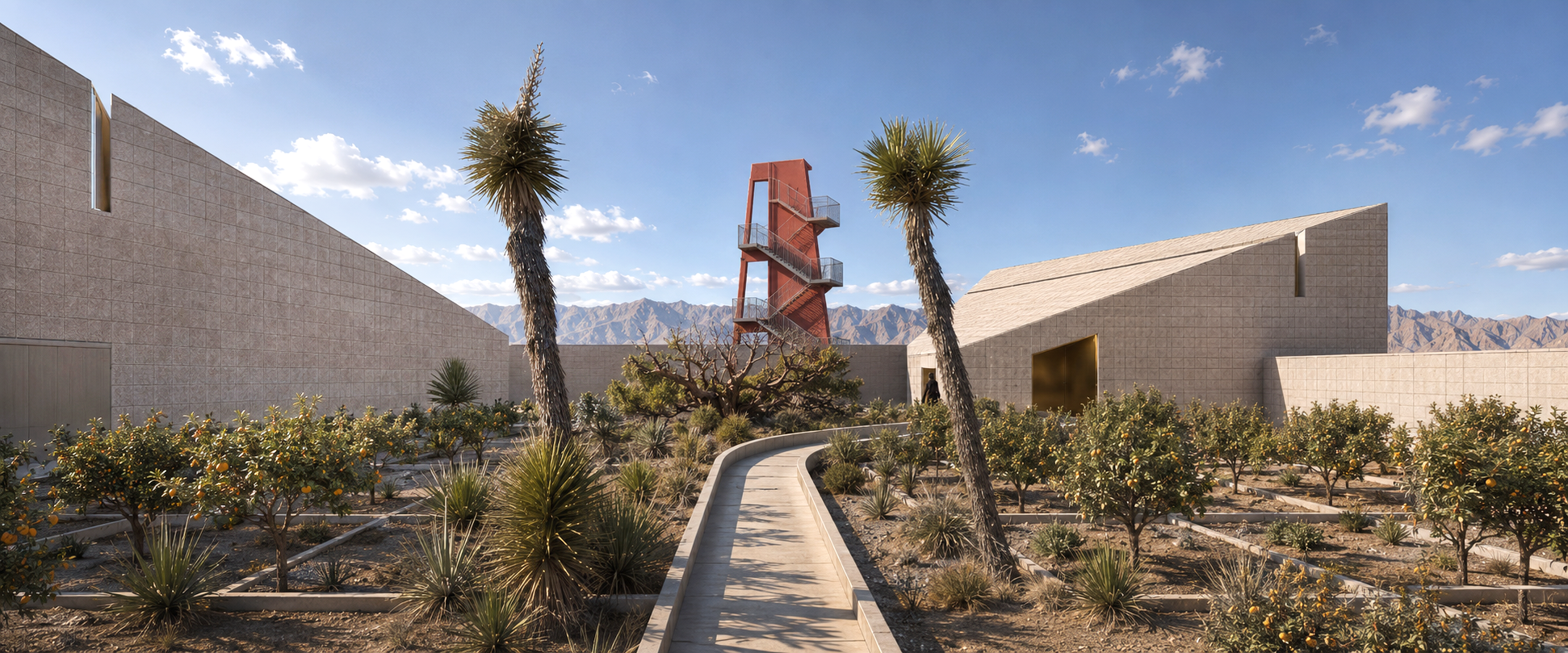
In this sense, Casa Kafka is not architecture as object, but architecture as drawing: a drawing one can enter, one that uses the desert as its surface and the horizon as its vanishing point.
The subject is neither the building nor the landscape, but the act of seeing itself—how vision is directed, delayed, framed, compressed, and realigned.
Most buildings perform these operations quietly.
Casa Kafka makes them explicit.
It does not ask to be understood all at once. It is meant to be approached, entered, circled, observed, and reconsidered. It withholds enough to keep the experience unresolved. The destination remains visible, but never entirely attained.
And perhaps that is the point.
Architecture, at its best, does not merely deliver us somewhere. It changes the way we arrive—if we arrive at all.
THE BOOK OF MICA
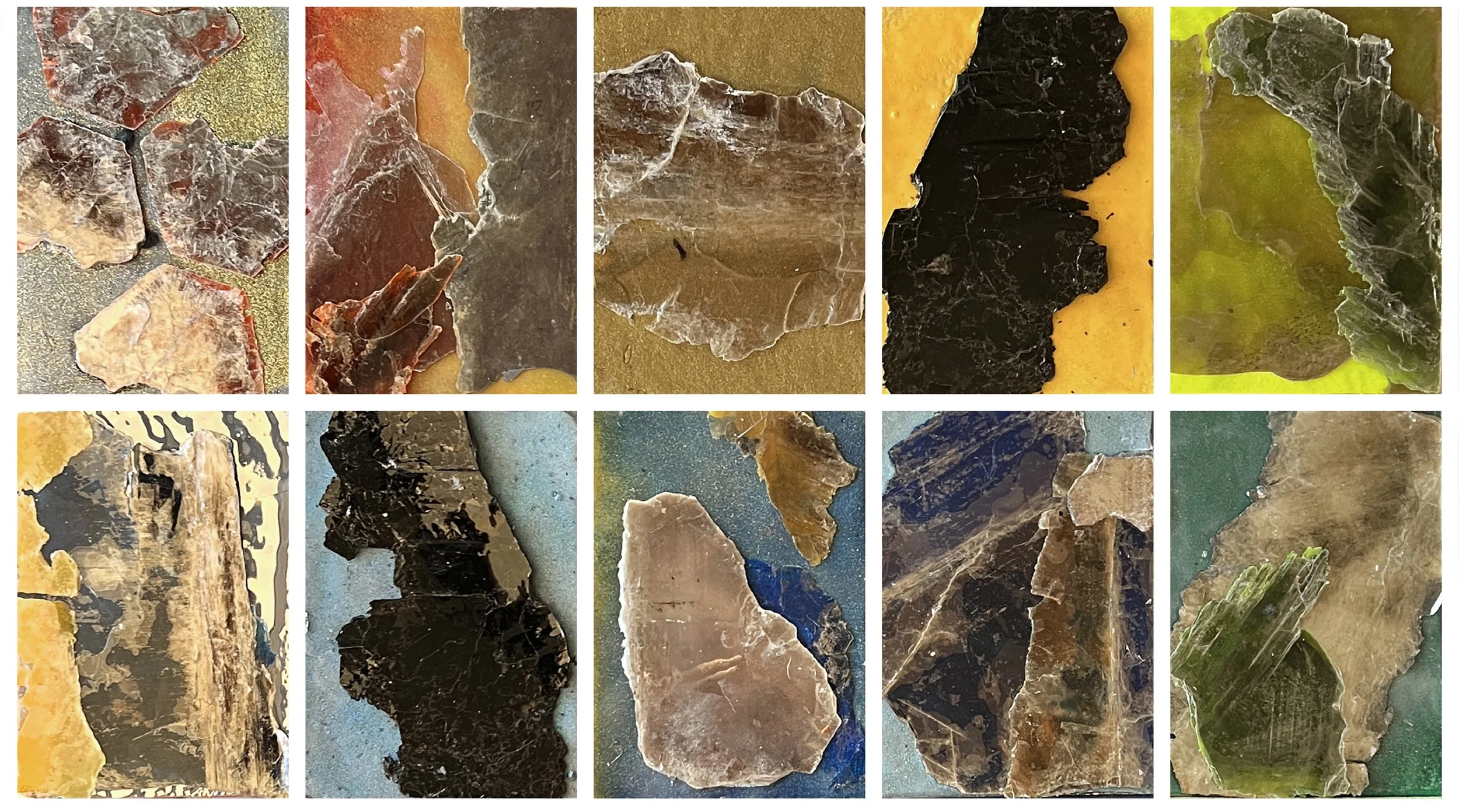
In Roger Caillois’s thought-provoking work, The Writing of Stones (1970), the Surrealist philosopher delves into art’s inherent mimicry and its connection to the sacred. By studying nature’s self-caricatures, resembling works of art, we can imagine acting and creating unblemished by the ego. This perspective admirably aligns with our ancestral fascination with shiny objects and ancient relics, which continue to resonate with us today. These signets capture our attention by highlighting the procrustean bed of all pictorial beauty.
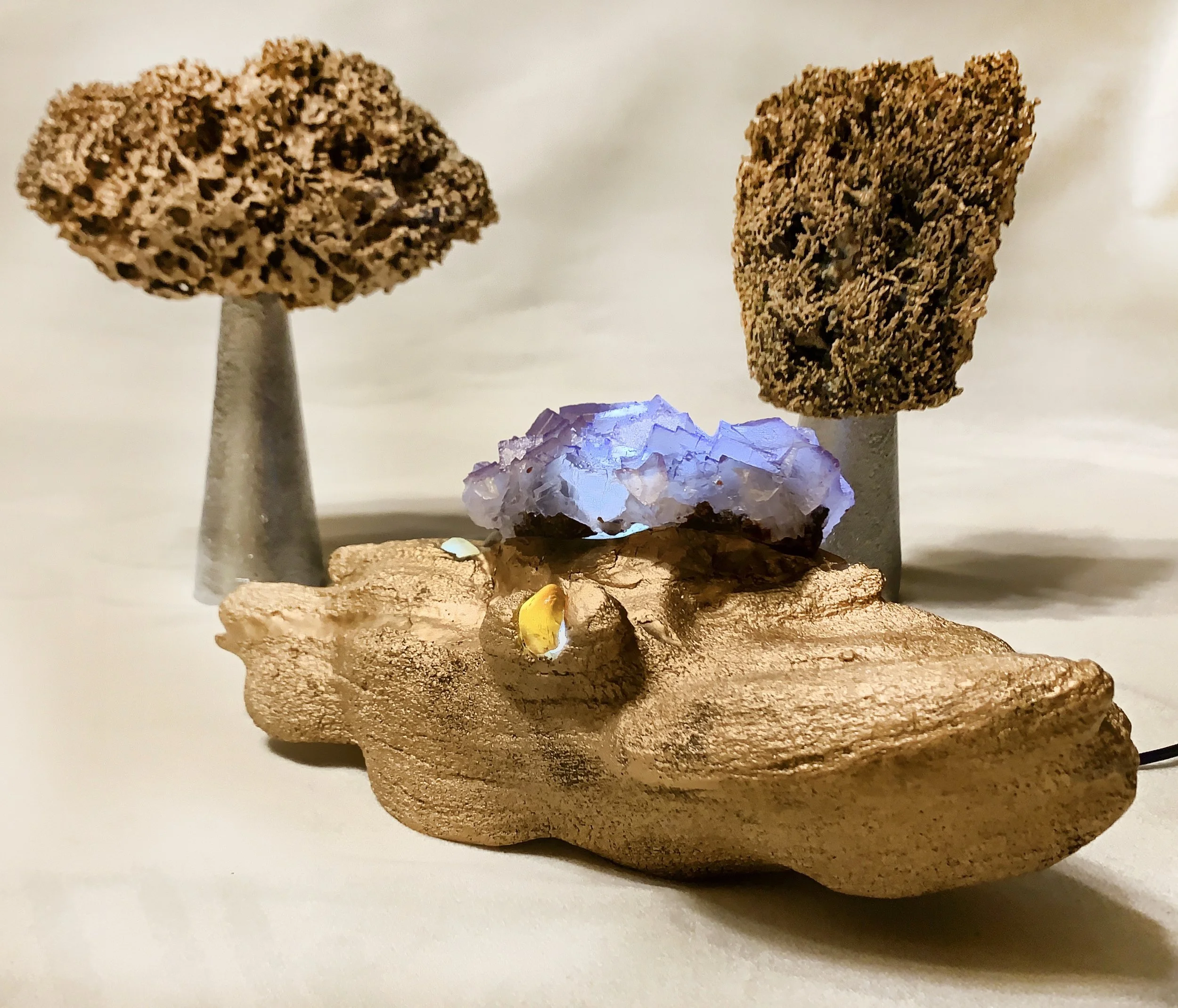
MANIFESTO OF A LAMPMAKER
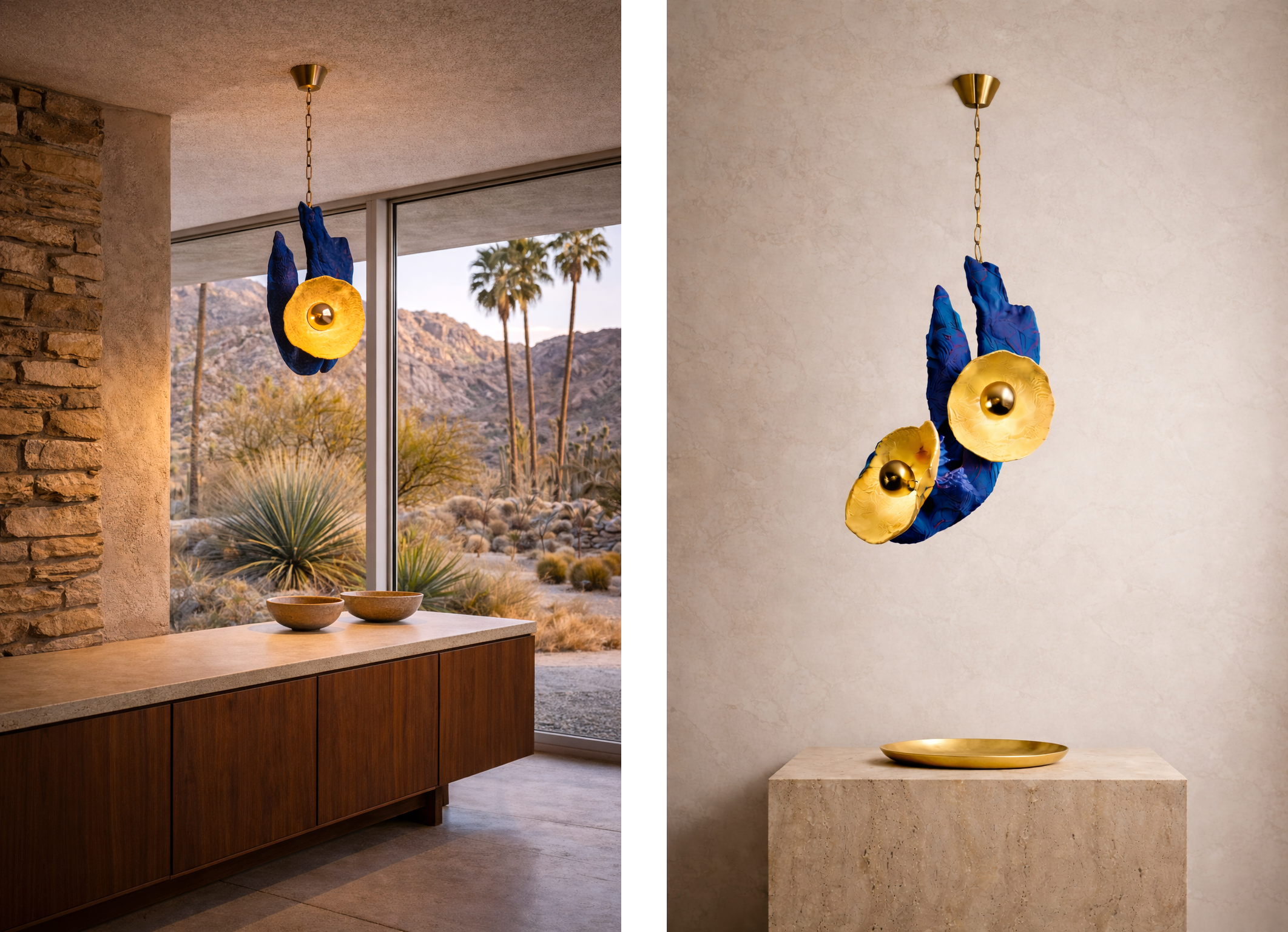
Because functional design, regardless of its comfort level, is the absolute misrepresentation of usability — all that is usable is yet to be. This manifestation is always distinct from form and it is the provocateur of those feelings implied within it, which is the true interpretation of the decorative arts. Is it only comfort that makes a chair?
About unHeim
unHeim is a multidisciplinary design studio based in the California high desert and Los Angeles, working across residential design, interiors, landscape environments, furnishings, lighting, material innovation, and original product development. The studio's work spans custom homes, wellness-focused environments, hospitality concepts, outdoor living spaces, collectible design objects, and patented material systems.
Drawing inspiration from architecture, art, materiality, regional landscapes, and the relationship between wonder and everyday life, unHeim explores how buildings, objects, furnishings, and environments can work together as a unified design experience.
Areas of exploration include high desert design, contemporary living, custom furnishings, lighting, sustainable building concepts, wellness environments, material experimentation, mica-based artworks, and innovative residential design.
Founded by Micah Heimlich, unHeim explores the intersection of architecture, materiality, atmosphere, and wonder through environments, objects, and original design systems.